
Why the Couch Stretch Deserves a Spot in Your Routine
Andrew Williams • November 7, 2025
Couch Stretch: Unlocking Hip, Knee, and Ankle Mobility
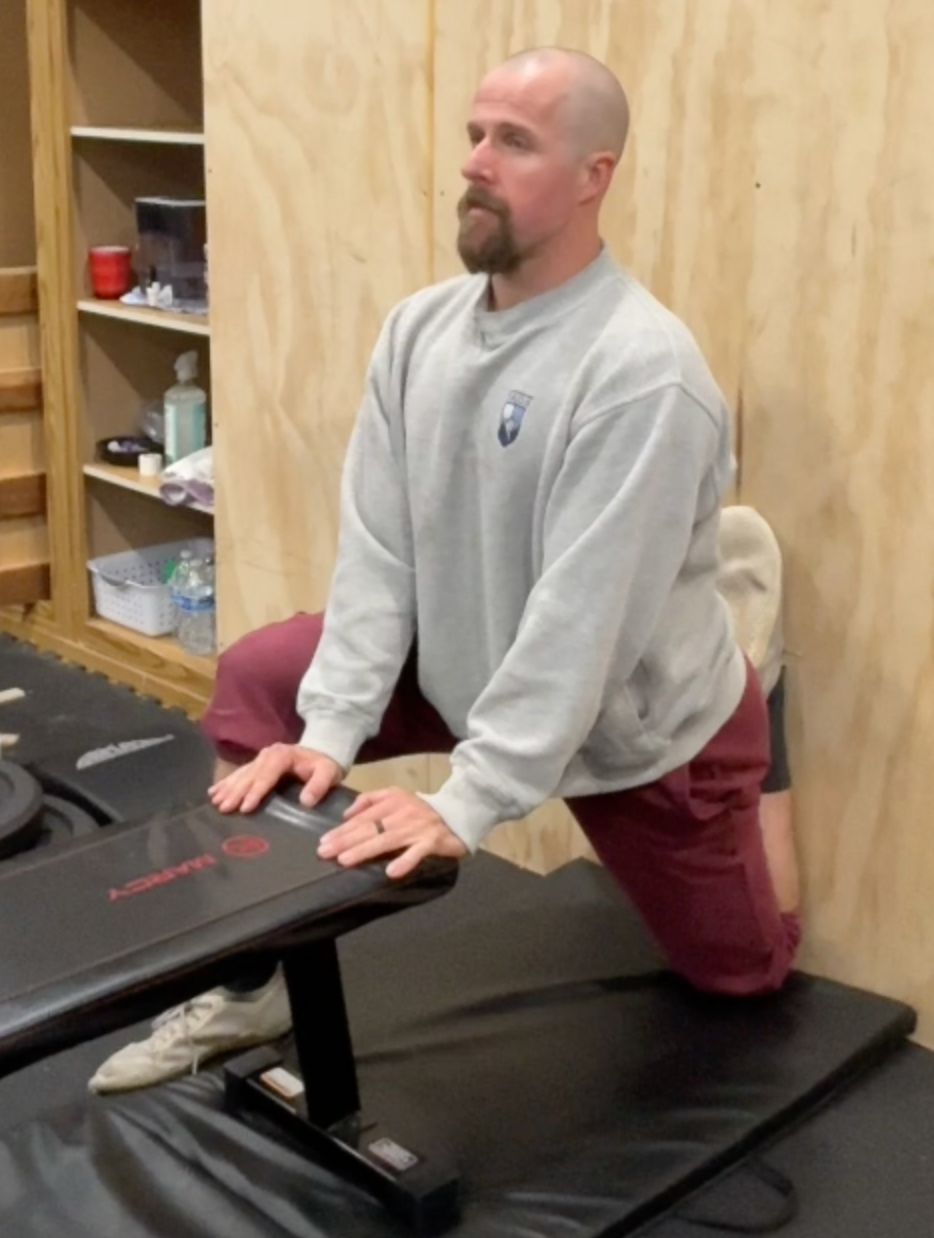
Tight quads, stiff hips, and shortened hip flexors are some of the most common mobility issues we see in everyday life. Whether you’re sitting at a desk all day, running, or lifting weights, these areas often get neglected — and that can affect movement quality, performance, and even joint health. Enter the Couch Stretch, a deceptively simple but incredibly effective mobility drill.
What Is the Couch Stretch?
The Couch Stretch is a deep, loaded stretch that targets the quadriceps and hip flexors while also affecting knee and ankle alignment. Unlike a basic quad stretch, the Couch Stretch places the hip in a position of extension while keeping the knee behind the body, giving a more intense and functional stretch.
Why It Matters
Deep Quad & Hip Flexor Stretch
Sitting or training with limited hip extension can shorten the front of the hip and thigh. The Couch Stretch lengthens these muscles, helping restore full range of motion — crucial for squats, lunges, deadlifts, and running mechanics.
Improved Knee Tracking
By opening up the quads and hip flexors, the stretch can help the knee track properly during movements. This reduces stress on the joint and helps prevent overuse injuries.
Enhanced Posture
Tight hip flexors contribute to anterior pelvic tilt and rounded posture. The Couch Stretch counteracts this by lengthening the front of the hip, allowing the pelvis to sit in a more neutral position and supporting better posture throughout the day.
Joint Health and Injury Prevention
Tissues that are tight or imbalanced can lead to compensations in movement patterns. Regular Couch Stretch practice helps reduce tension in the hips and quads, decreasing the likelihood of hip, knee, or lower back injuries.
How to Perform the Couch Stretch
Place one knee on the ground with the foot resting on a wall, bench, or other elevated surface behind you.
Step the other foot forward into a comfortable lunge position.
Keep your core engaged and chest upright, avoiding arching the lower back excessively.
Hold the position for 30–60 seconds, focusing on gradually deepening the stretch as flexibility improves.
Repeat on the other side.
Tips for Maximum Benefit
Warm up lightly before stretching to improve tissue elasticity.
Avoid forcing the stretch; focus on control and alignment.
Breathe deeply and consistently to allow muscles to relax into the stretch.
Incorporate the stretch consistently — even a few minutes daily can produce meaningful improvements over time.
The Takeaway
The Couch Stretch is more than just a quad stretch — it’s a full lower-body mobility tool. By opening up the hip flexors, quads, and knee joint, it improves movement quality, reduces injury risk, and enhances performance in both athletic and everyday activities.
A few minutes of consistent practice can make a noticeable difference in your hips, knees, and posture — proving that sometimes small, targeted movements have a big impact.
A Better Front Rack Makes a Better Front Squat
Small jumps still count
The Value of the Sandbag Bear Hug Carry
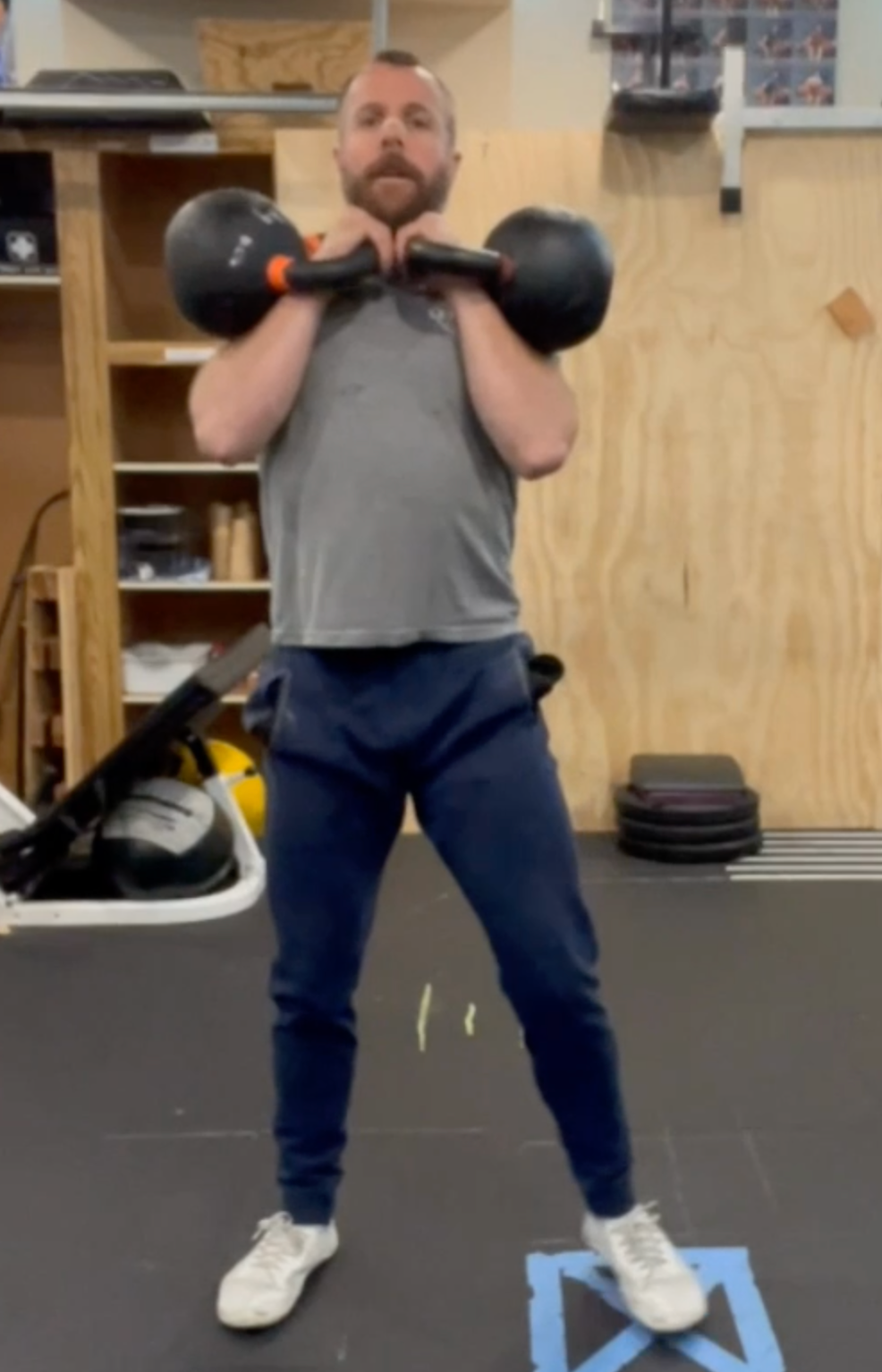
The Value of the Double Kettlebell Front Rack Carry
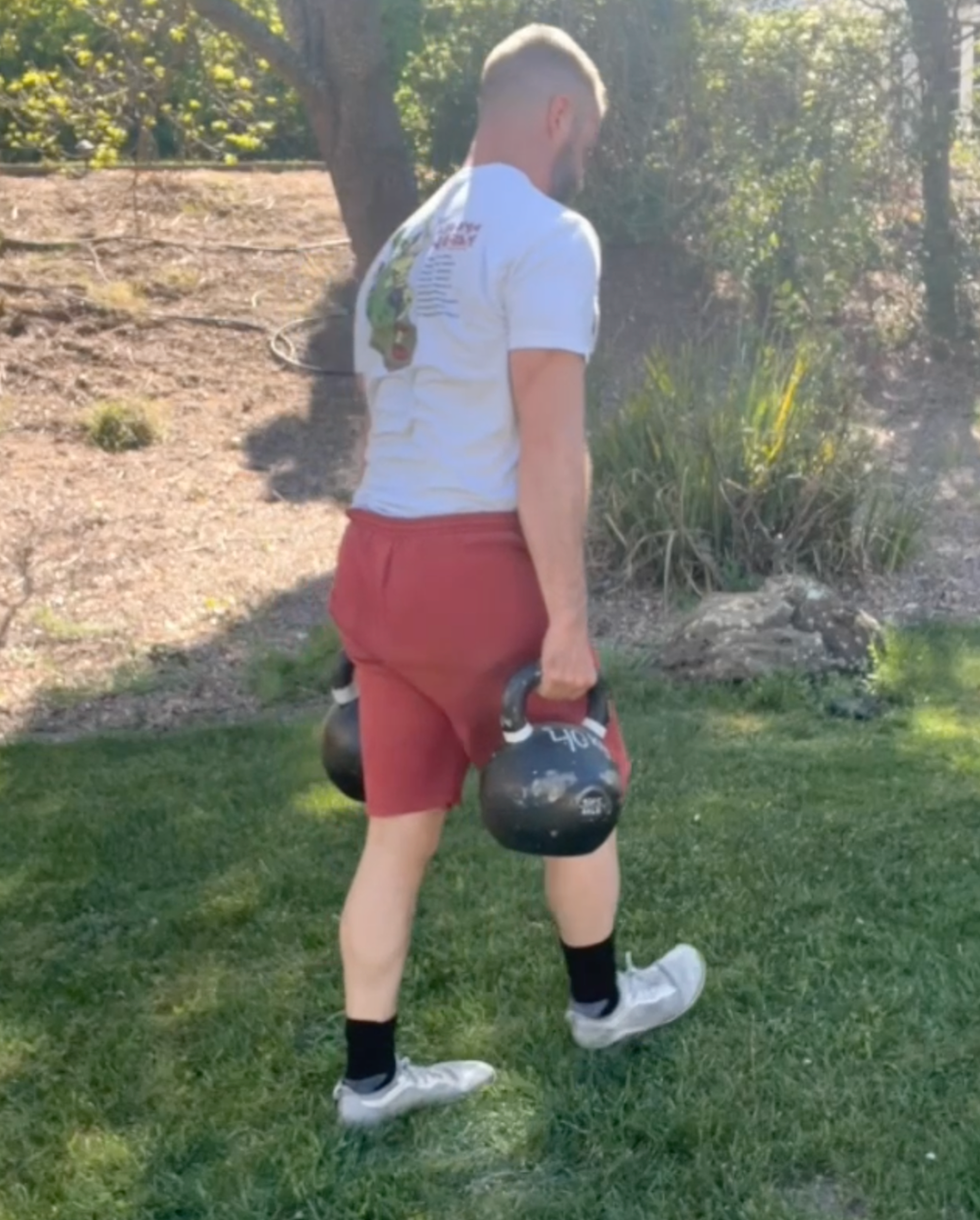
The Value of Farmer’s Carries: Simple, Effective, and Real Strength
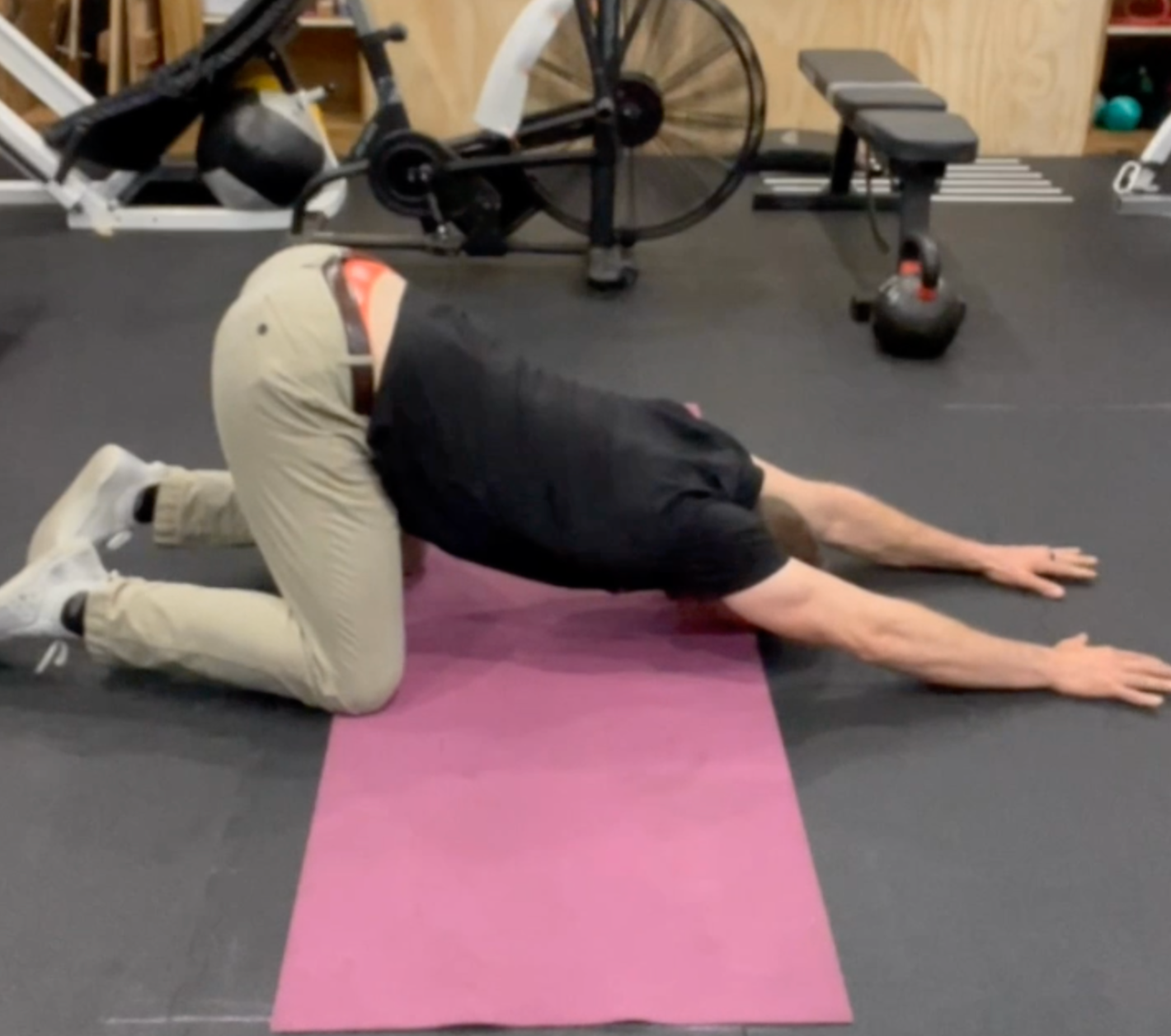
Most people start their day the same way: wake up, brush their teeth, get ready for work, sit in the car, sit at a desk, come home, eat dinner, and eventually head back to bed. If you really think about it, there’s a good chance your body never moved through meaningful ranges of motion all day. Your spine may not have rotated. Your shoulders may not have gone overhead. Your hips may never have opened up. Your ankles and wrists might have stayed in the same limited positions for hours at a time. That’s where a simple six-minute morning movement routine can make a real difference. https://www.youtube.com/watch?v=bqlapofiwjU&t=4s Start the Day by Moving When you wake up, your body has just spent six to nine hours in relatively fixed positions. Depending on how you sleep, you may have been curled up, twisted, extended, or compressed in certain areas. Even if you sleep well, your joints simply haven’t moved for hours. Taking a few minutes in the morning to move through basic ranges of motion helps wake everything up. It doesn’t need to be intense. It doesn’t need to make you sweat. The goal is simply to take your joints through healthy movement patterns so your body feels more connected and ready for the day. Think of it as pressing the reset button on your body before the day begins. Why Six Minutes Works One of the biggest barriers to movement is time. People assume they need a full workout, a long stretching routine, or a trip to the gym. The reality is that small habits performed consistently can have a huge impact. Six minutes may not sound like much, but it adds up quickly. 6 minutes per day 42 minutes per week Over 35 hours of movement per year That’s 35 hours spent taking your joints through healthy ranges of motion that you might not otherwise experience. Consistency always beats occasional perfection. Guaranteeing Movement Before the Day Gets Away Life gets busy. Work runs long. Kids need attention. Traffic happens. Meetings pile up. The gym gets skipped. But when you build a short movement routine into the first few minutes of your morning, you guarantee that your body gets at least some quality movement that day. Even if the rest of your day ends up sedentary, you’ve still done something positive for your body. Moving Through the Ranges We Often Miss A short morning routine should focus on moving joints through the ranges that modern life tends to neglect. For many people, that means: Rotating the spine Reaching overhead with the shoulders Opening up the hips and groin Moving the ankles through full range Activating the wrists and elbows These are all areas where people commonly develop stiffness or discomfort simply because they don’t move them enough throughout the day. You don’t need complicated exercises or equipment. Basic movement done consistently goes a long way. A Better Way to Wake Up Morning movement can also be a great alternative to immediately diving into screens or stressful tasks. Instead of waking up and jumping straight into emails, news, or social media, you spend a few minutes reconnecting with your body. Many people notice that they feel less stiff, more awake, and more focused after just a few minutes of moving. It’s a simple habit that can set a positive tone for the rest of your day. Simple is the Goal This isn’t meant to be the perfect mobility routine. It’s not a full workout and it’s not a complicated program. It’s simply a quick way to move your body from wrists to ankles, taking your joints through healthy ranges before the day really begins. Six minutes. No equipment. Just movement. And over time, those six minutes can make a meaningful difference in how your body feels every day.
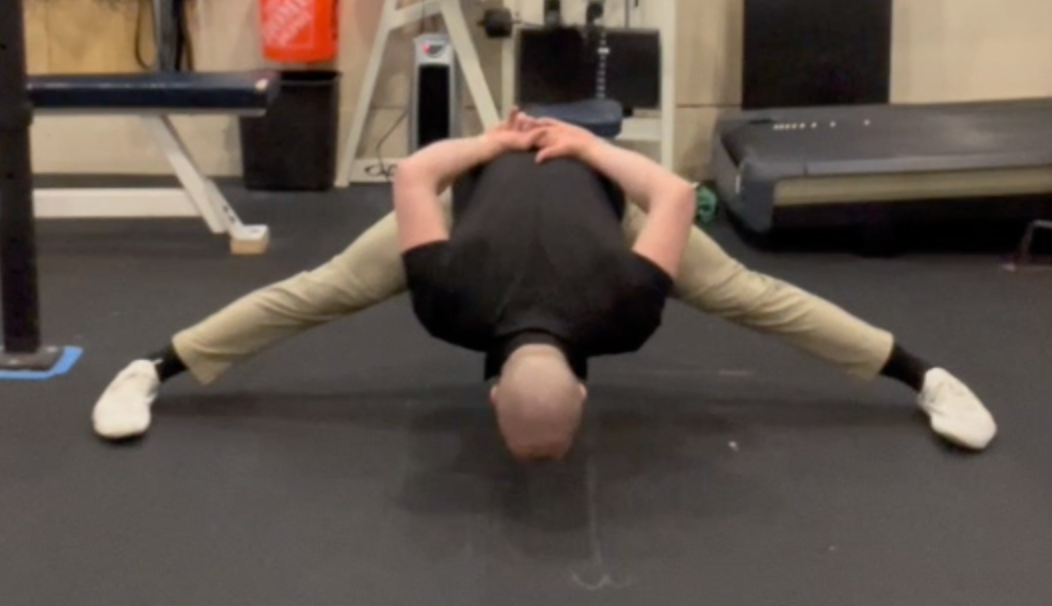
The Standing Pancake Good Morning: Where Mobility and Strength Meet Most people think mobility means stretching. Being able to get into a position. In reality, mobility is something different entirely: the ability to control yourself through a range of motion and come back out of it. That’s where the standing pancake good morning shines. What Is the Standing Pancake Good Morning? The standing pancake good morning is a wide-stance hip hinge performed without external load. Your feet are set wide, your knees stay relatively straight, and you hinge at the hips while maintaining a long spine. From the bottom position, you actively pull yourself back up to standing. It looks simple. It is not. Why This Movement Matters 1. It Trains a Wide-Stance Hip Hinge Most Programs Miss Most training programs live in narrow or moderate stances: Squats Deadlifts Lunges Wide-stance hinging — especially with straighter knees — is rarely trained intentionally. When it does show up, it’s usually load-driven (like a sumo deadlift), not position-driven. The standing pancake good morning fills that gap by challenging the hips in a way many people simply haven’t explored. 2. It Strengthens the Hips at Long Lengths Many people stretch their adductors and hamstrings passively but never strengthen them in those lengthened positions. This movement demands: Adductor engagement Hamstring contribution Hip control at end range You’re not just “getting into” the position — you’re learning to own it. 3. It Exposes Compensations Immediately If someone lacks hip control, the body will try to steal movement from somewhere else: Lumbar flexion Collapsing into the bottom Using momentum to stand back up Done correctly, the standing pancake good morning doesn’t allow much hiding. It quickly shows whether the hips are actually doing the work. 4. No Equipment, High Return One of the best things about this movement is that you don’t need anything to do it. No barbell. No bands. No machines. And yet, even a few controlled reps can be extremely challenging. Because the difficulty comes from position and control, not external load, it’s a great option for: Warm-ups Low-threat strength work Longevity-focused training People managing back sensitivity How to Use the Standing Pancake Good Morning This is not a max-effort lift. It’s a positional strength drill. Start Elevated If reaching the floor compromises control, hinge toward an incline bench or box in front of you. As control improves, lower the target over time. Progress Stance Width Gradually widen your stance toward a pancake position. Wider isn’t better unless you can control it — earn it over time. Progress Depth, Not Load The main progression is how deep you can hinge while staying controlled, not how much weight you add. Can you touch your head toward the floor and return to standing without collapsing or rounding? Simple Prescription For most people: 2 sets 4–8 slow, controlled reps Bodyweight only That’s plenty. Who This Movement Is (and Isn’t) For This movement works best for people who: Want to improve hip control, not just flexibility Are ER-dominant and avoid wide-stance positions Need low-load hinge options Care about long-term joint health It’s not ideal for people who: Consistently hinge by rounding their spine Rush through reps Treat it like a stretch instead of a strength drill As with any movement, quality matters more than depth. The Bigger Picture The standing pancake good morning sits right at the intersection of flexibility and strength. It teaches you that: Getting into a position isn’t the same as owning it Strength doesn’t always require load Control through range is what keeps you training long term Used intentionally, it’s a simple movement that delivers a lot.
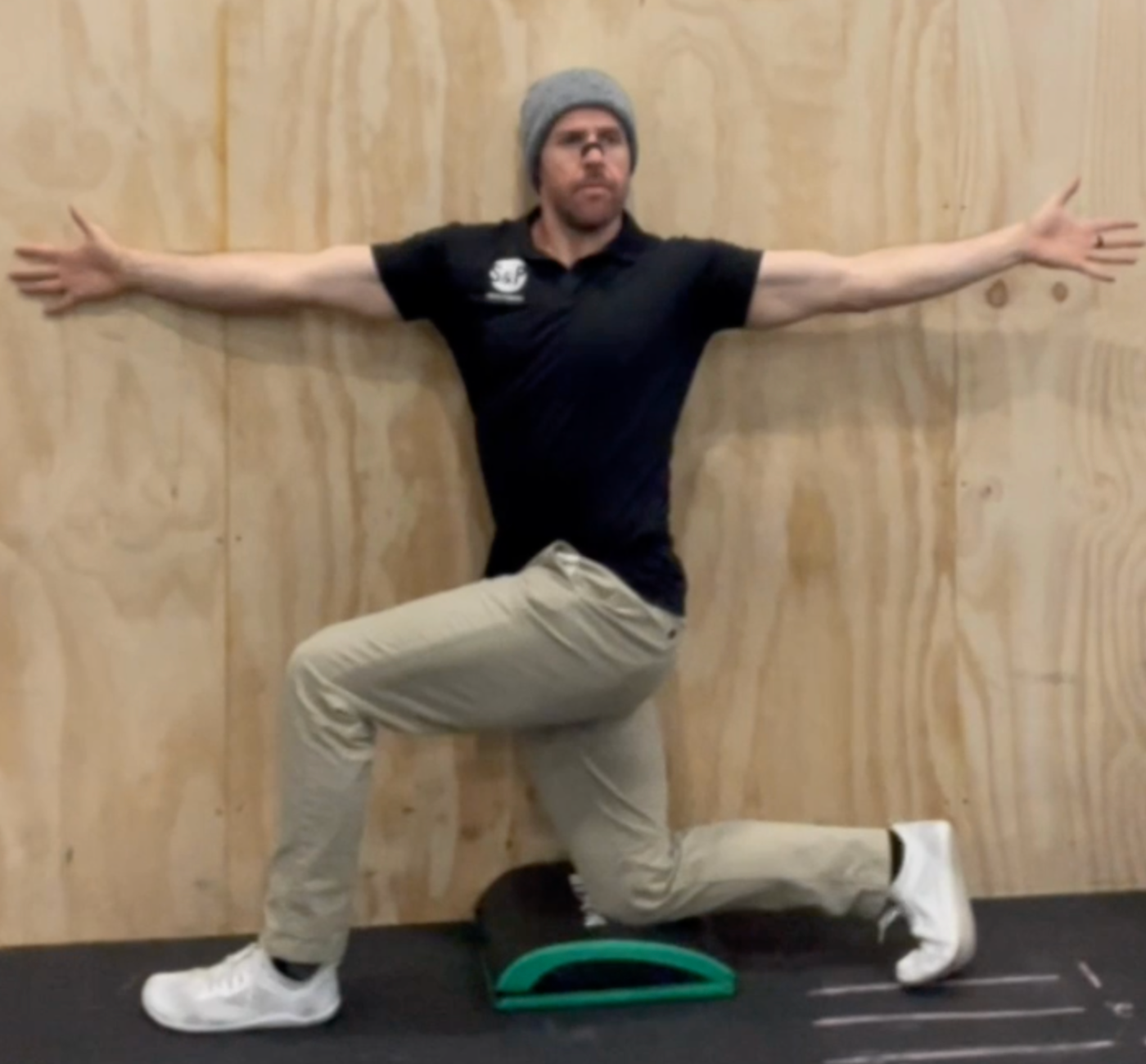
Most people wake up curled up. Eight hours in some version of the fetal position. Shoulders forward. Upper back rounded. Hips flexed. Neck slightly craned. Then we stand up and expect to move well. If your mid-back (thoracic spine) doesn’t move well, something else will move for it. Usually your lower back or your shoulders. That’s where a lot of aches start. Your thoracic spine is built to rotate. Your lumbar spine (low back) is not. When the mid-back gets stiff: The shoulders lose clean overhead position The low back overextends to “fake” rotation Posture drifts forward Breathing becomes more shallow Reaching, throwing, lifting, and even walking feel tighter than they should That’s why I like keeping thoracic rotation simple and consistent. The Half-Kneeling Thoracic Rotation If I had to pick one drill most people could benefit from doing daily, it would be the half-kneeling thoracic rotation. No equipment. Two minutes. Big return. Why Half-Kneeling? Half-kneeling locks in your hips so you don’t cheat the movement from your lower back. It forces the rotation to come from where it’s supposed to come from — your ribcage and mid-back. It also gives you: A built-in glute activation on the down leg A natural tall posture A stable base to rotate from You can even hold yourself accountable by setting up next to a wall and lightly pinning a yoga block (or even your knee) into the wall. That way you know your hips aren’t drifting and stealing motion. How to Perform It Set up in a half-kneeling position (one knee down, one foot forward). Squeeze the glute of the down leg. Stay tall — don’t arch your lower back. Rotate through your ribcage toward the front knee. Reach long with your fingertips. Breathe at end range. 5 slow reps each side. The goal isn’t speed. The goal is control. Take Up Space One of the reasons I like this drill so much is how it feels. You go from being curled up and compressed… to opening up and taking space. Spread your fingertips. Open your chest. Grow tall through the crown of your head. It’s the opposite of how most of us spend our day. That feeling alone is powerful. But over time, it also improves: Overhead mobility Shoulder comfort Rotational capacity Postural awareness Breathing mechanics Morning or Evening? This drill works both ways. In the morning: It wakes up your spine, resets your posture, and gets you out of that flexed sleeping position. In the evening: It helps decompress from sitting and screen time, and gives you a moment to slow down and breathe. It’s not flashy. It won’t leave you sweaty. But done daily, it quietly improves how you move and how you feel. Consistency Over Complexity You don’t need a 30-minute mobility routine. You need something simple enough to actually do. Half-kneeling thoracic rotations take two minutes. That’s it. Five reps each side. No equipment. No excuses. Start there.
Why Fitness Training Is Essential If You Work in the Trades Construction, plumbing, electrical, concrete, landscaping—work in the trades is real work. Long hours on your feet. Heavy loads. Awkward positions. Repetitive motions. Most people outside the trades underestimate just how physically demanding these jobs are. The problem? Most tradespeople rely on work itself to keep them “in shape.” And while the job is physical, it’s not the same as training. Over time, that gap shows up as pain, injuries, and burnout. Fitness training isn’t about becoming a bodybuilder or athlete—it’s about keeping your body working for you instead of against you. Work Is Stress. Training Is Preparation. Every trade places stress on the body: Lifting and carrying heavy materials Twisting, reaching, kneeling, and climbing Repetitive tasks that load the same joints every day Stress isn’t bad—but unprepared stress is. Proper fitness training: Builds strength in the muscles that protect your joints Improves mobility so your body can get into safe positions Increases work capacity so fatigue doesn’t break down technique Think of training as sharpening your tools. You wouldn’t show up with dull blades or worn-out gear—your body deserves the same respect. Strength Protects Your Back, Knees, and Shoulders Most trade-related injuries happen in predictable places: Low back Knees Shoulders Elbows and wrists Strength training helps by: Teaching the body how to produce force safely Strengthening connective tissue (tendons and ligaments) Balancing muscles so no single joint takes all the load A strong body distributes force better. That means less wear and tear over decades of work—not just fewer injuries this year. Mobility Keeps You Working, Not Just Strong Being strong isn’t enough if you can’t move well. Limited ankle mobility affects lifting mechanics. Tight hips stress the lower back. Stiff shoulders overload elbows and wrists. Mobility training: Allows joints to move through their full range Reduces compensation patterns Makes everyday tasks feel easier and smoother Good mobility doesn’t make you “loose.” It makes you durable. Conditioning = Energy at the End of the Day A lot of tradespeople say: “I’m exhausted after work. I don’t have energy to train.” What’s often missing is conditioning. Targeted conditioning: Improves heart and lung efficiency Increases recovery between efforts Reduces overall fatigue on long workdays The goal isn’t to gas you out—it’s to make your normal workday feel less draining. That means more energy for your family, hobbies, and life outside the job. Longevity Matters More Than Toughness Trades reward toughness—but toughness alone doesn’t pay off long-term. Without training, many workers hit a wall: Chronic pain becomes “normal” Injuries linger longer Work quality drops Retirement feels broken, not earned Fitness training shifts the focus from “how much can I push today” to: “How long can I keep doing this well?” That’s the real win. Training for the Trades Looks Different Fitness for tradespeople is not about: Maxing out every lift Training to exhaustion Following influencer workouts It is about: Full-body strength Joint health Core stability Grip strength Carrying, hinging, squatting, pressing, and pulling well Training should support your job—not compete with it. Bottom Line If you work in the trades, your body is your livelihood. Fitness training: Reduces injury risk Improves job performance Extends your career Improves quality of life outside of work You don’t need to train like a pro athlete—but you should train like a professional tradesperson. Your body does the work. Training keeps it doing that work for decades to come.
Why Wrist Health and Strength Matter for Front Squats and Overhead Squats Strong, mobile wrists might not be the first thing that comes to mind when people think about squats, but for movements like front squats and overhead squats, they are absolutely critical. These variations place unique demands on the wrists, elbows, shoulders, and entire upper kinetic chain, and without proper wrist function, performance can be limited and injury risk increases. The Wrist’s Role in Front Squats In a front squat, the bar rests on the front of the shoulders, and the typical hand position requires: Elbows high and forward Wrists in extended and loaded positions A secure front rack grip If the wrists lack mobility or strength: The lifter may compensate by rolling the wrists back, which shifts weight forward and destabilizes the rack. The elbows may drop, leading to a collapsed posture and increased stress on the lower back. The shoulders have to work overtime to stabilize the bar, often resulting in discomfort or pain. In other words: poor wrist health can directly sabotage your front squat mechanics. The Wrist’s Role in Overhead Squats Overhead squats make even greater demands: The bar is held overhead throughout the full depth of the squat The wrists must support load in a deep extension The forearms, shoulders, and upper back must unite to stabilize the load Inadequate wrist mobility or strength here can lead to: The bar drifting forward Loss of balance or “float” Extra stress on the elbows and shoulders Compensations elsewhere in the chain Overhead squats reveal weaknesses in the entire shoulder-girdle and wrist system — if the wrists are a weak link, the whole lift suffers. Why Wrist Strength and Mobility Matters 1. Stability Under Load During both front and overhead squats, the wrists act as a crucial link between the bar and the rest of the body. Strong wrists help maintain tension up the chain, improving stability and reducing unwanted movement. 2. Better Mechanics = Better Performance When the wrists can comfortably hold the load in the required positions, the body can focus on: Driving hips Staying upright Maintaining a strong rack or overhead position This translates to heavier lifts and more confident movement. 3. Injury Prevention Weak or immobile wrists force compensations: Rounded elbows Collapsing wrists Shoulder discomfort Uneven grip stress Over time, these compensations can lead to chronic pain or joint irritation. Training wrist health helps athletes durably withstand loading demands. Simple Strategies to Improve Wrist Health Working on wrist strength and mobility doesn’t have to be complicated. Incorporate: Wrist mobility work (flexion/extension stretches) Wrist strengthening (isometric holds, wrist curls) Loaded positional holds (front rack or overhead with light weight) Band or tube-enhanced work to reinforce stability Consistency matters more than intensity here — small daily habits build resilient wrists. To see an example routine and explanation of wrist health in action, check out this video: 👉 https://www.youtube.com/shorts/7oeW4ltr7eE